

If you’re like many drivers in Las Vegas, NV, you may be switching to an electric vehicle to combat our state’s high gas prices. You may be wondering about the process of installing an at-home charging station to make sure you can quickly power up your car without relying on public chargers.
A 240-volt setup provides enough charging to get your vehicle ready for your daily commute. Our electricians at Immediate Response Electric complete all necessary upgrades safely and in full compliance with local codes. We help homeowners understand how to get started and whether the investment is worthwhile.
Home EV Charging Requirements
A licensed electrician should perform the installation of an EV charger. Many EV charging station manufacturers will not provide warranty coverage for a DIY installation. Be sure to retain documentation that proves professional setup. A permit is necessary in Clark County, and our team can take care of this process for you.
We encourage EV owners to use a Level 2 charger. This is a 50-amp system that operates on a 240-volt circuit. A professional electrical panel expansion may be necessary if you live in an older home and your current setup can’t support a 240-volt circuit.
An EV charger commonly uses a NEMA 14-50 outlet. This is different from most of the outlets you’ll see in your house. However, it has been a common outlet for decades for RVs and now EVs.
Where you install your EV charger is important. In Las Vegas, summer heat can impact battery performance. Ideally, it should be in a cool location, like a garage or carport. This will help you get a few extra miles worth of charging, which pays off over many months or years.
We’ll help you choose an appropriate location for your charging station. If your property doesn’t have a carport or garage, consider using a shaded exterior wall. Even putting a small structure near the driveway for the charger is helpful.
What Do the Levels of Chargers Mean?
EV chargers have a rating that follows a specific classification system. The current levels are Level 1, Level 2, and Level 3.
Level 2 is the common option for home charging setups. A Level 2 charger typically provides 20 to 30 miles of range per charging hour.
Level 1 works with existing 120-volt power, which misleads people into thinking they’re a viable option for home EV charging in Nevada. The problem is that a Level 1 system only provides 3 to 5 hours of charge per hour. This isn’t practical for anyone who has a lengthy commute each day.
A Level 3 charger requires 480-volt direct current for power. This setup is only possible with three-phase electrical power. Adding a three-phase setup to a property can run over $100,000 per installation. Level 3 is great for commercial use, and it’s what most public charging stations use. However, it’s not feasible for most homes.
Possible Home Electrical System Upgrades
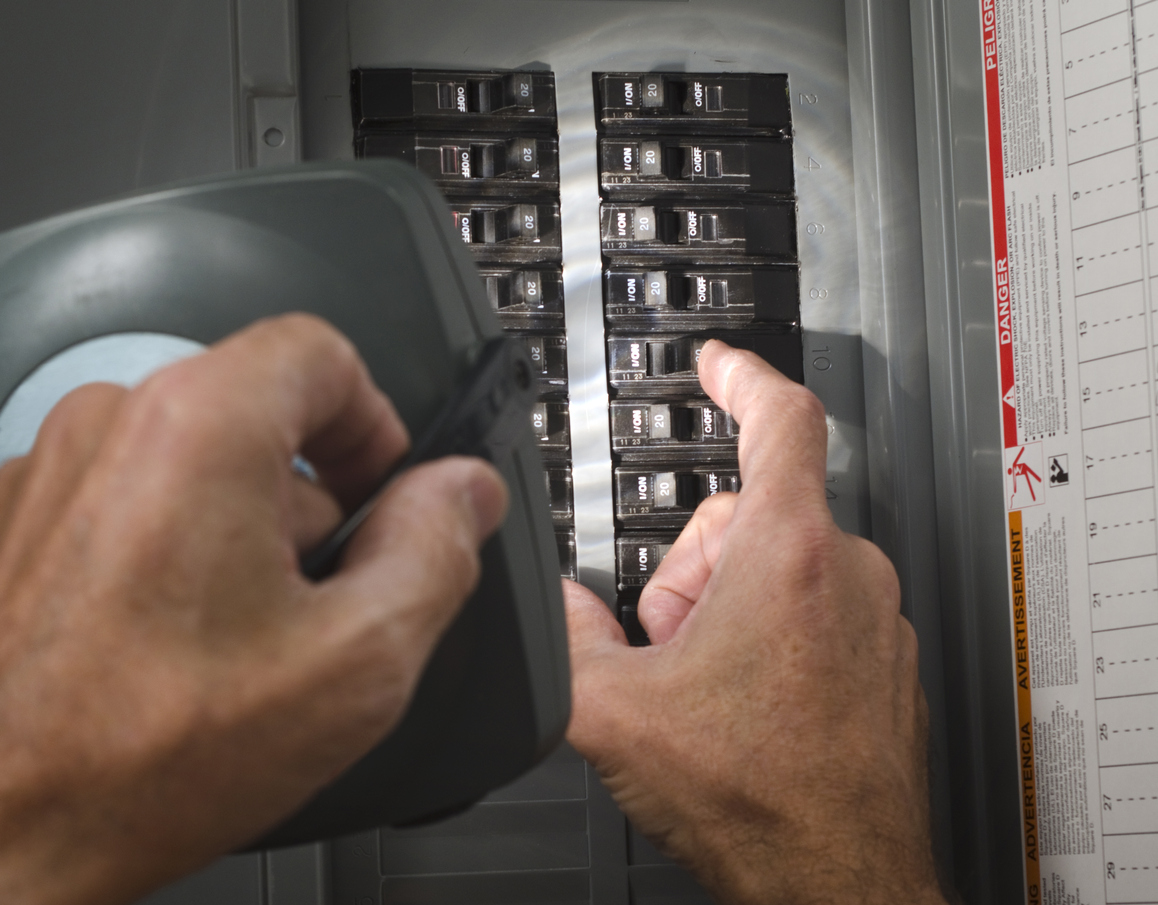
EV charging stations are demanding systems. Adding 50 amps of draw is a big task, especially in an older house with only 100-amp service. We frequently replace and upgrade electrical panels to support EV charging stations.
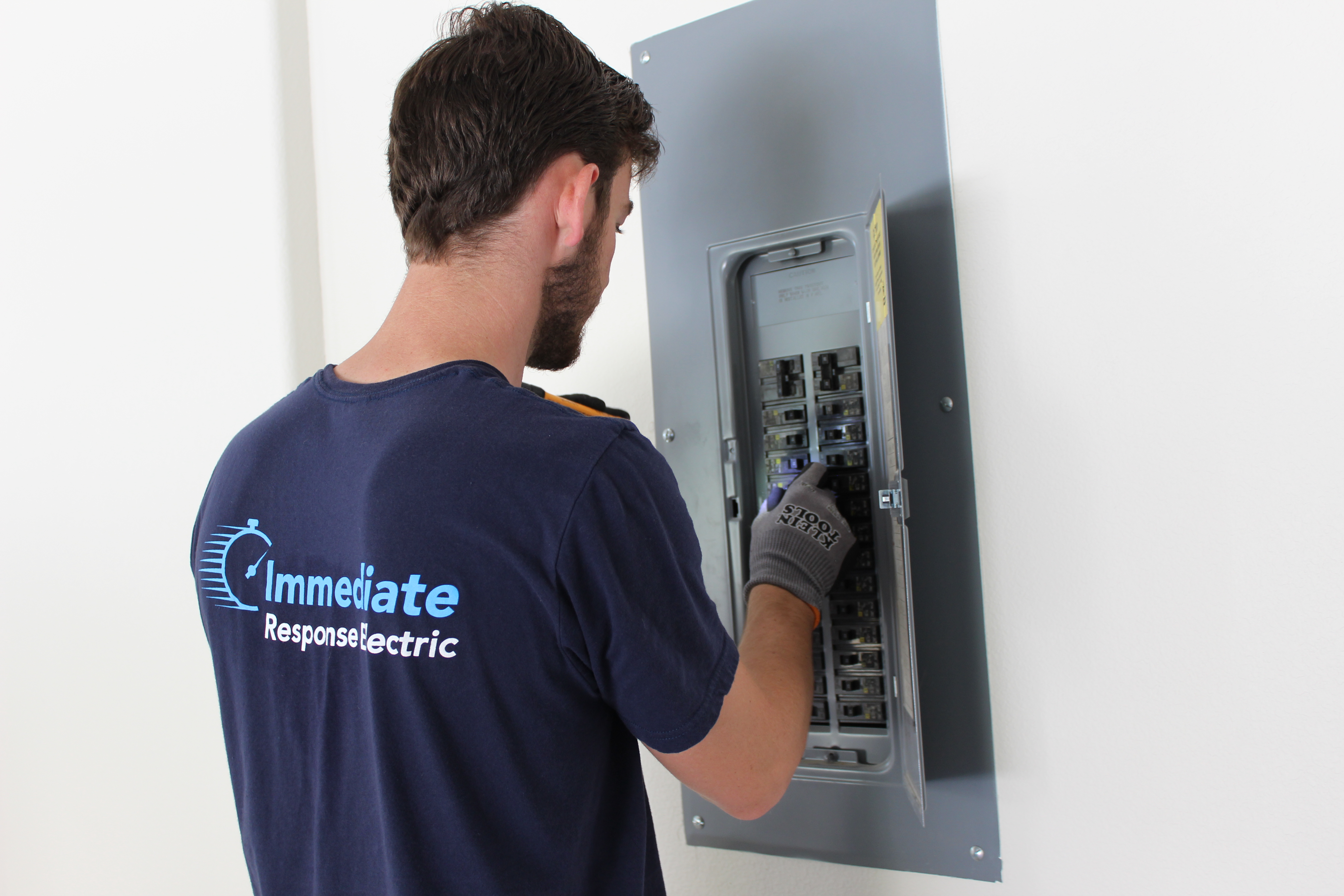
We will perform an electrical inspection to determine if you need to invest in electrical upgrades to accommodate a charging station. If your electrical panel already supports 200-amp service, then the upgrade might be as simple as putting in the new circuit. There needs to be a free slot available on the electrical panel, but this is common. Issues usually arise in older homes where electrical systems didn’t need to accommodate things like EV charging.
Some people configure a separate panel for their garage, especially if they have a detached garage. Be aware that you may still need to upgrade your electrical panel in this scenario. These modifications will increase the cost of your EV charger installation.
Why Are EV Chargers Appealing in Las Vegas?
A lot of people in Las Vegas commute to work. Electric vehicles are great for drivers who are behind the wheel five days or more per week. Home charging allows you to get 160 to 240 miles of range in eight hours. You can plug your car in when you get home or before you go to sleep. When you wake up in the morning, you will have enough range for a long commute.
Public EV charging stations are becoming more common in Las Vegas. However, their placement is unpredictable. Also, they appear less frequently once you get into Clark County’s backcountry areas. Most folks like the convenience of plugging in at home, too.
Most electric providers in the Las Vegas area offer off-peak rates. This means plugging your system in overnight can result in even more savings.
There are federal tax credits that may cover up to 30% of the cost of charging station installation. Some homes require significant electrical upgrades, which are usually not eligible for a tax credit.
The payback period for a regular Las Vegas commuter is usually three to four years. This assumes you’re driving five days a week to and from work. Particularly with recent gas price volatility, the payback period may shorten.
EV Charger Safety Concerns
High voltage power running close to 50 amps for hours at a time can create a serious safety concern. An EV charging station requires a dedicated circuit. You don’t want the circuit experiencing overloading with other appliances, devices, or an HVAC system.
Proper grounding is necessary as well. EV charging stations are often in garages, carports, or driveways. This means they need a ground-fault circuit interrupter per the National Electrical Code.
All the wiring and the circuit breaker must have the right ratings for the load. The wiring will be heavy and thick, and conduit often adds protection for outdoor runs.
A final safety inspection will take place before the installation is complete. This confirms tight connections, proper use of products, and normal function.
24/7 Emergency Service
How Long Will an Installation Take?
An EV charger installation in Las Vegas usually lasts a few hours. However, electrical panel upgrades may add time to the process. If we run into electrical issues that require repair or modification, the installation may be lengthy.
The good news is that installing an EV charger doesn’t usually impact the use of your other circuits. The charging station has its own circuit and wiring. If we must shut off your power for safety reasons, it’s typically only for a few minutes. We inform you of what to expect throughout the process.
Immediate Response Electric is happy to handle both the EV charging station installation and the necessary electrical upgrades. Our electricians have appropriate licensing and insurance. We have deep local roots and are a family-owned and veteran-operated company. In addition, we offer financing upon credit approval. Check our specials page for more ways to save.
If you’re looking for more information about the process of installing an EV charger for your home, we can help. Contact us at Immediate Response Electric in Las Vegas today.