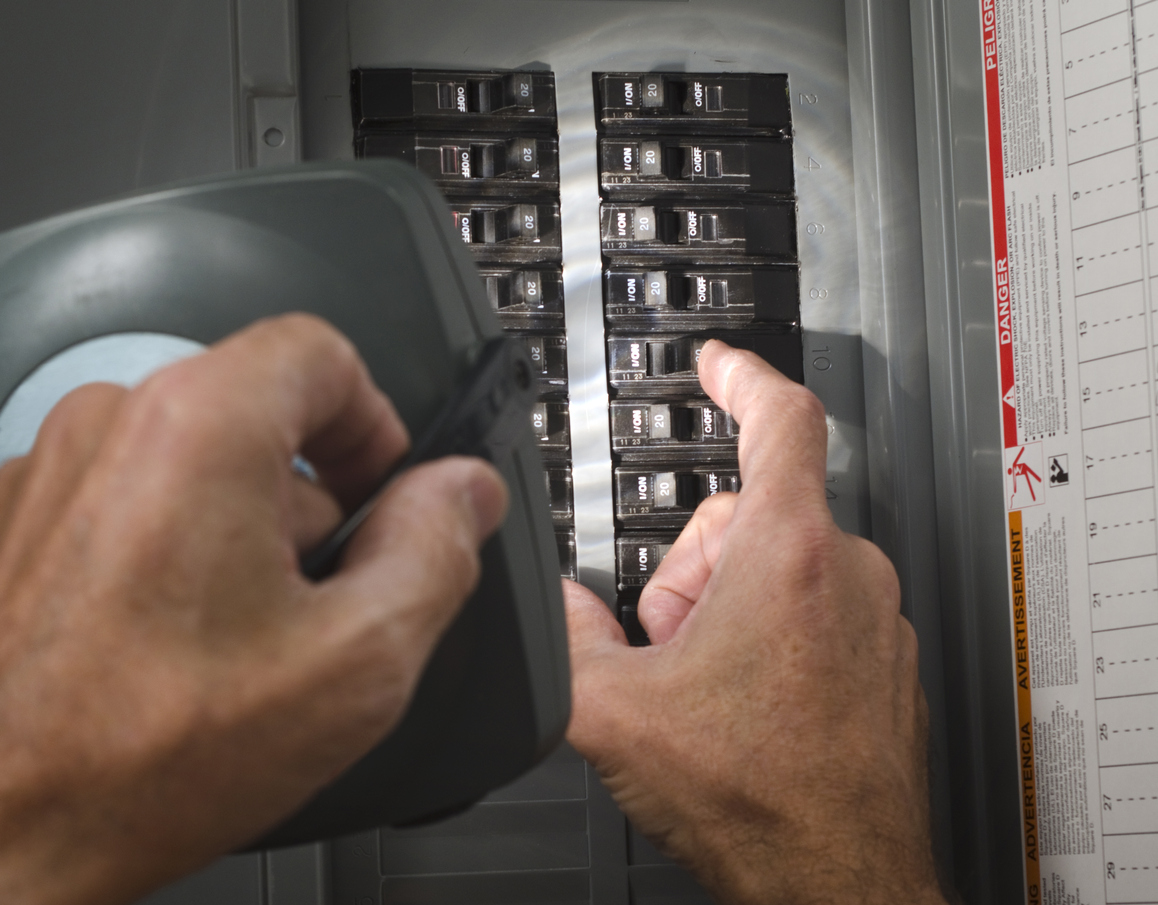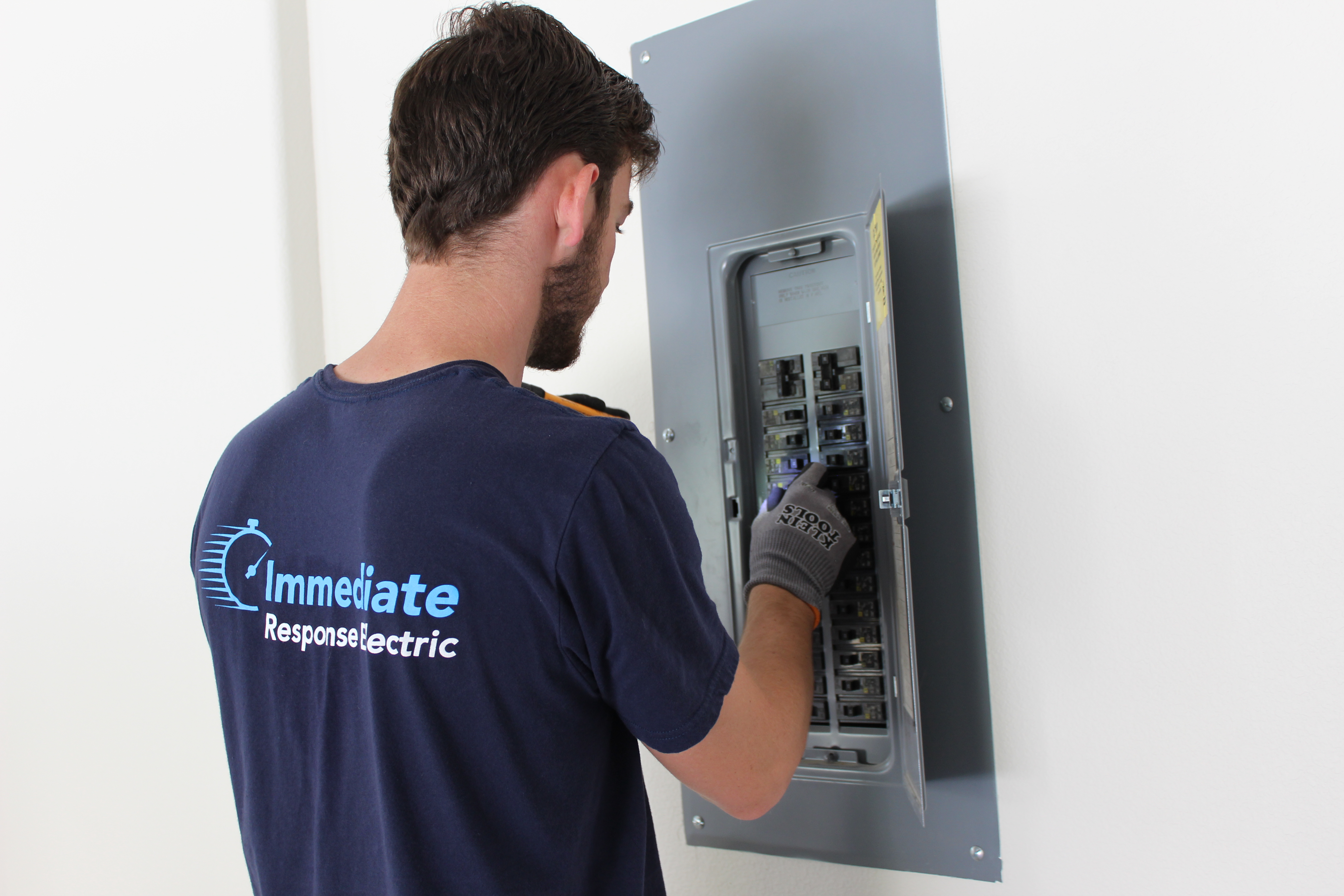



Summer heat pushes home electrical systems harder than any other season. Air conditioners run longer cycles, refrigerators work harder, and overall energy demand increases in every room. When demand exceeds a circuit’s safe capacity, the breaker shuts off power. It is doing exactly what it is designed to do: prevent overheating and reduce fire risk.
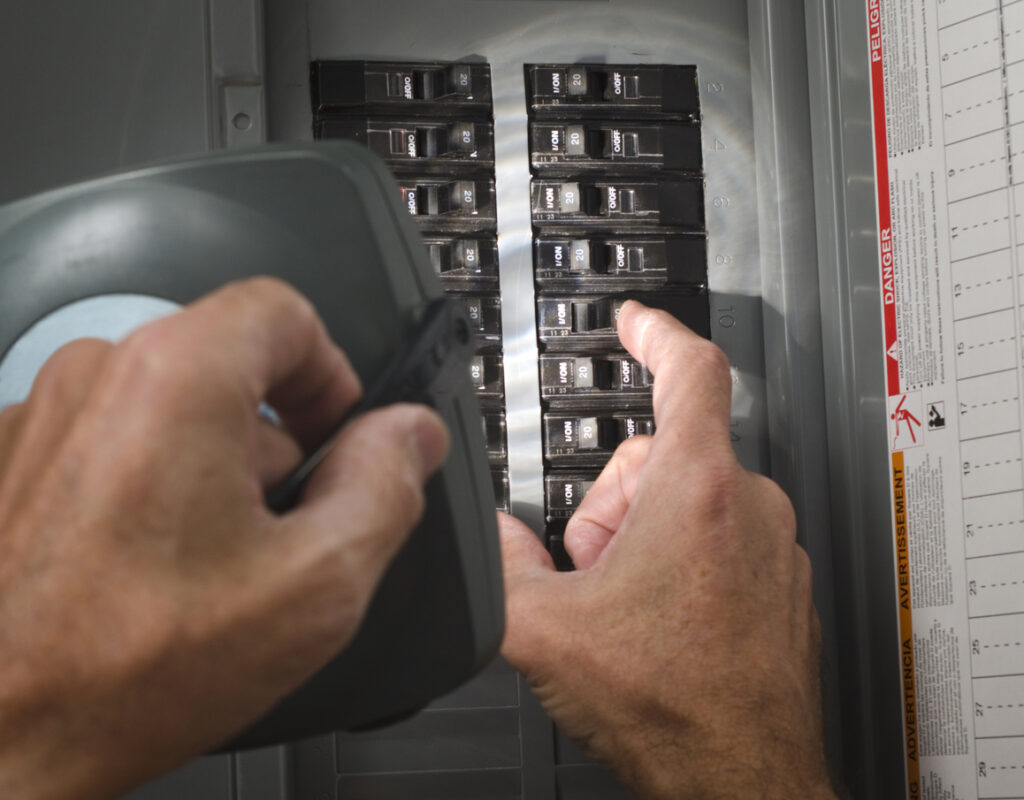
Why Breakers Trip More During Hot Weather
Breaker trips become more common in summer. Electrical demand rises throughout the home. Air conditioning systems are the biggest factor. They often run for long periods without rest, especially during peak afternoon heat.
At the same time, other appliances are still running in the background. Refrigerators cycle more often, fans run continuously, and laundry or cooking adds additional load. When too many systems draw power from the same circuit, the breaker shuts off power to prevent overheating.
Homes built decades ago experience this more quickly. Many were not designed for today’s electrical demands. This may include multiple electronic devices, larger HVAC systems, and more appliances running simultaneously.
What an Overloaded Circuit in Summer Really Means
A circuit becomes overloaded when it is asked to carry more power than it was designed for. Every circuit has a limit. When that limit is exceeded, the breaker trips to protect the system.
Summer makes this more likely because cooling equipment adds a steady, high load. Portable AC units, window units, dehumidifiers, and fans often run together. In some cases, kitchen appliances or laundry equipment are also on the same circuit.
When this happens, you may notice the breaker keeps tripping in the same area of your home. This is a clear sign that the circuit is being pushed beyond its safe capacity.
Warning Signs Your Electrical System Is Struggling
Breaker trips are only one warning sign. Others often appear before or alongside them.
Lights may dim when the AC kicks on. Outlets may feel warm. You may notice a faint buzzing sound near the electrical panel or switches. These are signs that the system is under stress.
Another common issue is frequent tripping when using multiple appliances at once. For example, running a microwave while the air conditioner is operating can overload a shared circuit.
Extension cords and power strips can also make the problem worse. They do not increase capacity. They only redistribute the load, often concentrating too much demand in one area. If the same breaker trips repeatedly, the system is likely signaling a deeper capacity issue rather than a one-time overloaded circuit in summer.
How Wiring Layout and Heat Stress Affect Circuit Load
Breaker trips are also more likely when multiple rooms share circuits. In many homes, lighting, outlets, and appliances are grouped in ways that made sense decades ago but no longer match how families use power today. This creates hidden issues in the system that only show up during peak summer usage.
Heat also affects overall electrical performance. High outdoor temperatures can increase wiring resistance and reduce efficiency in older components. While this does not directly cause a breaker to keep tripping, it adds stress to already-loaded circuits and can cause borderline systems to fail sooner.
Understanding how your home distributes power is important for preventing repeated interruptions. When circuits are consistently pushed to the limit, small increases in demand can be enough to trigger a shutdown.
How Air Conditioners Affect Your Electrical System
Your air conditioner is often the largest electrical load in your home. During mild weather, it may run only a few times each hour. During a heatwave, it can operate almost continuously. That increased runtime places a significant demand on its circuit.
Older air conditioners draw more power than newer high-efficiency models. As components age, motors and compressors work harder to maintain indoor temperatures. This can increase electrical consumption and place additional strain on your electrical system.
Problems become more noticeable when other major appliances run at the same time. An electric water heater, oven, clothes dryer, or microwave can create enough demand to overload a circuit.
Homeowners sometimes assume their air conditioner is defective when the power shuts off. In reality, the cooling system may simply be exposing an existing electrical limitation. An overloaded circuit problem often appears only when temperatures rise and energy use peaks.
Paying attention to when trips occur can help identify the source of the problem. If outages happen primarily during the hottest parts of the day, excessive cooling demand may be contributing to the issue.
How to Fix and Prevent Breaker Trips in Summer
The first step is reducing the load on individual circuits. Unplugging unused appliances during peak heat hours can help balance demand. Spreading out usage also reduces strain on the system.
High-demand appliances should ideally have dedicated circuits. Air conditioners, washers, and dryers perform better and safer when they are not sharing power with other appliances.
In older homes, the electrical panel may no longer be sufficient for modern usage. Upgrading the panel and adding new circuits can significantly reduce breaker trips and improve overall safety.
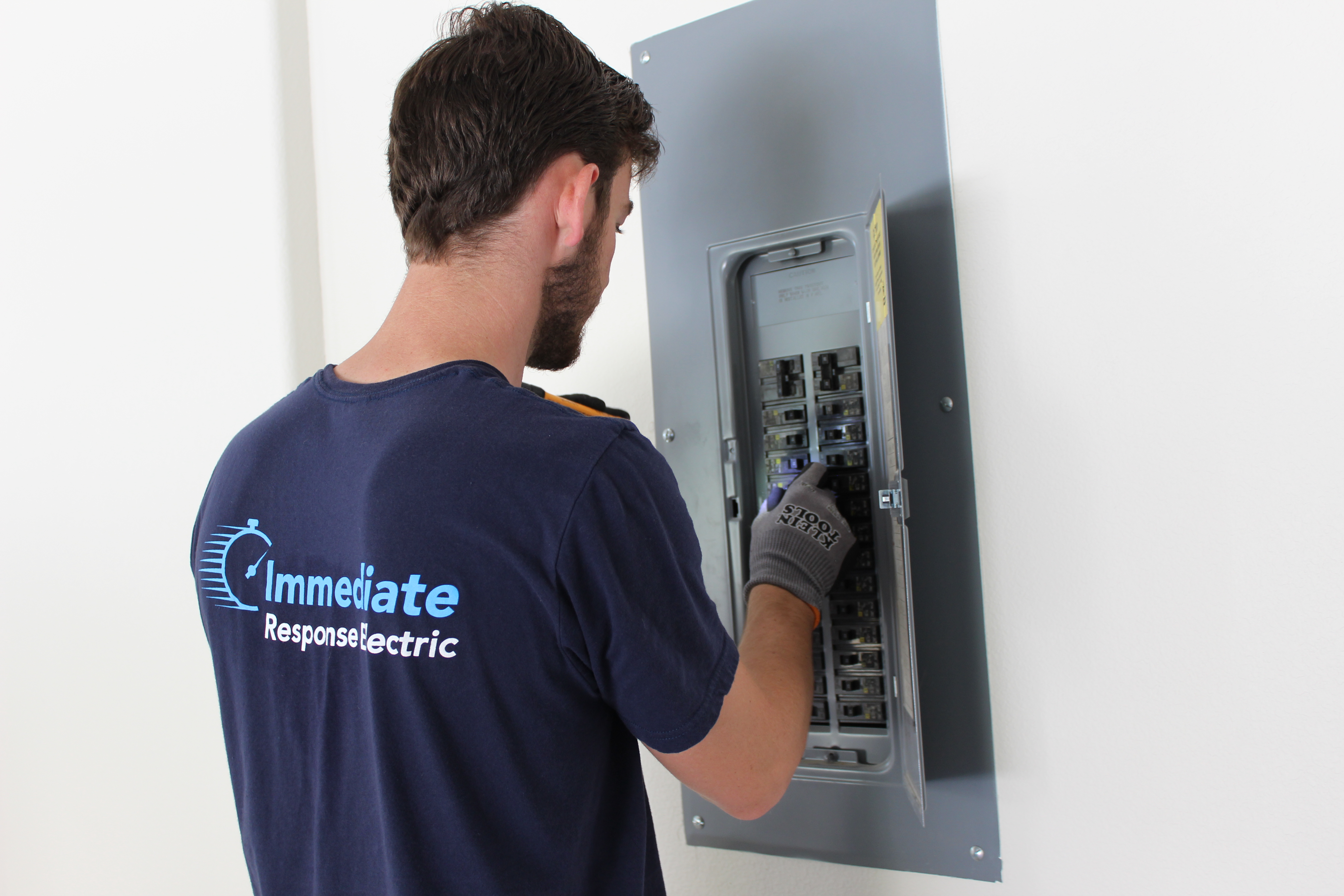
A professional inspection is the most reliable way to identify the root cause of the problem. Our licensed electricians can determine whether the issue is a simple overloaded circuit due to summer conditions or a system that needs upgrading.
24/7 Emergency Service
When You Should Call an Electrician
Occasional breaker trips during heavy use are normal. However, repeated tripping is not.
If breakers trip daily, if multiple rooms lose power, or if outlets get hot, the system needs an inspection. These are signs that your electrical system is under more demand than it was designed to handle.
Homes with older wiring are especially at risk during the summer months. Increased cooling demand can quickly expose your system’s limitations. Our team can determine whether the best solution is circuit redistribution or a panel upgrade.
Is It Time to Upgrade Your Electrical Panel?
Many homes still operate with electrical panels installed decades ago. While these panels may have worked well when the home was built, modern electrical demands are often much higher.
Today’s households have larger televisions, computers, smart devices, gaming systems, upgraded kitchen appliances, and more powerful HVAC equipment. Electric vehicle chargers and home office setups can further increase demand. As usage increases, older panels may struggle to distribute power efficiently.
An upgraded panel provides additional capacity and allows our electricians to create dedicated circuits for major appliances. This helps reduce trips and improves overall electrical safety. It also prepares the home for future electrical needs.
Keep Your Home Safe From Summer Electrical Issues
Increased air conditioner use and increased household activity in summer can reveal weaknesses in your electrical system. If your breakers keep tripping, it is time to have your system checked before the issue gets worse.
Contact Immediate Response Electric for a professional inspection and reliable solutions to keep your Henderson home powered safely.